

Supporting healthy smiles at every age
Oral care needs can change through childhood, adulthood and later life. A preventive approach can help support healthy routines and timely professional guidance for every stage.
Young children
Baby teeth matter more than their temporary status suggests. They hold the space that adult teeth will eventually occupy, and losing one early to decay can crowd the permanent tooth that follows. A first dental visit at around the time the first teeth appear is mostly about familiarity, so that the surgery is a normal place rather than somewhere associated with pain.
Practically: brush as soon as teeth appear, supervise brushing until roughly age seven or eight since manual dexterity is not there before then, and treat bottles or sippy cups of anything sweet at bedtime as the single most damaging habit to break.
School age and teenagers
Permanent molars arrive around six and again around twelve, with deep grooves that trap plaque before children are brushing well. This is the period when preventive measures are most useful and when crowding or bite problems become visible.
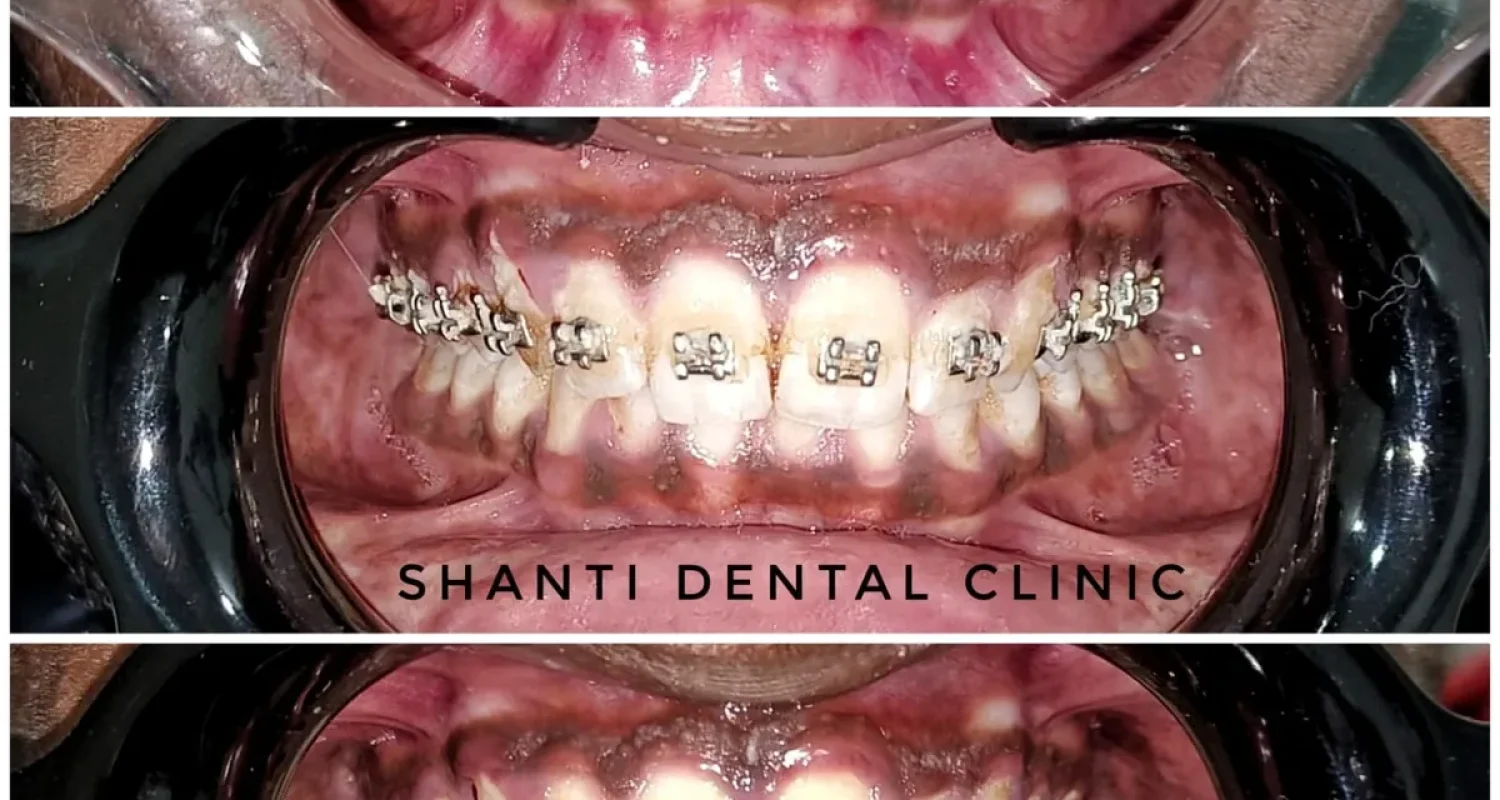
Orthodontic assessment usually makes sense in the early teens, once enough permanent teeth are through to see how the bite is developing. Braces and clear aligners both work; the choice usually comes down to the complexity of the movement needed and how reliably a removable appliance will actually be worn. Sports guards are worth mentioning too, since a knocked-out front tooth in a teenager is a lifetime of maintenance.
Adults
Adult dental problems are less often dramatic and more often cumulative: gum disease progressing quietly, old fillings reaching the end of their life, enamel wear from grinding, and staining. Grinding in particular is frequently missed, and a night guard is a far cheaper intervention than rebuilding worn teeth later.
Older adults
- Dry mouth caused by common medications, which sharply raises cavity risk
- Root surfaces exposed by gum recession, which decay faster than enamel
- Existing crowns, bridges and dentures needing review rather than replacement
- Missing teeth affecting chewing, nutrition and the position of remaining teeth
- Regular checks of the soft tissues, which become more important with age
One clinic, one record
There is a practical advantage to a family being seen in the same place: patterns become visible. Grinding, crowding, enamel defects and a tendency to gum problems all run in families, and knowing that a parent lost teeth to gum disease changes how closely we watch a son or daughter. Our Vastral clinic sees patients across all of these stages and is glad to look after a whole family.
