

What to expect during a dental consultation
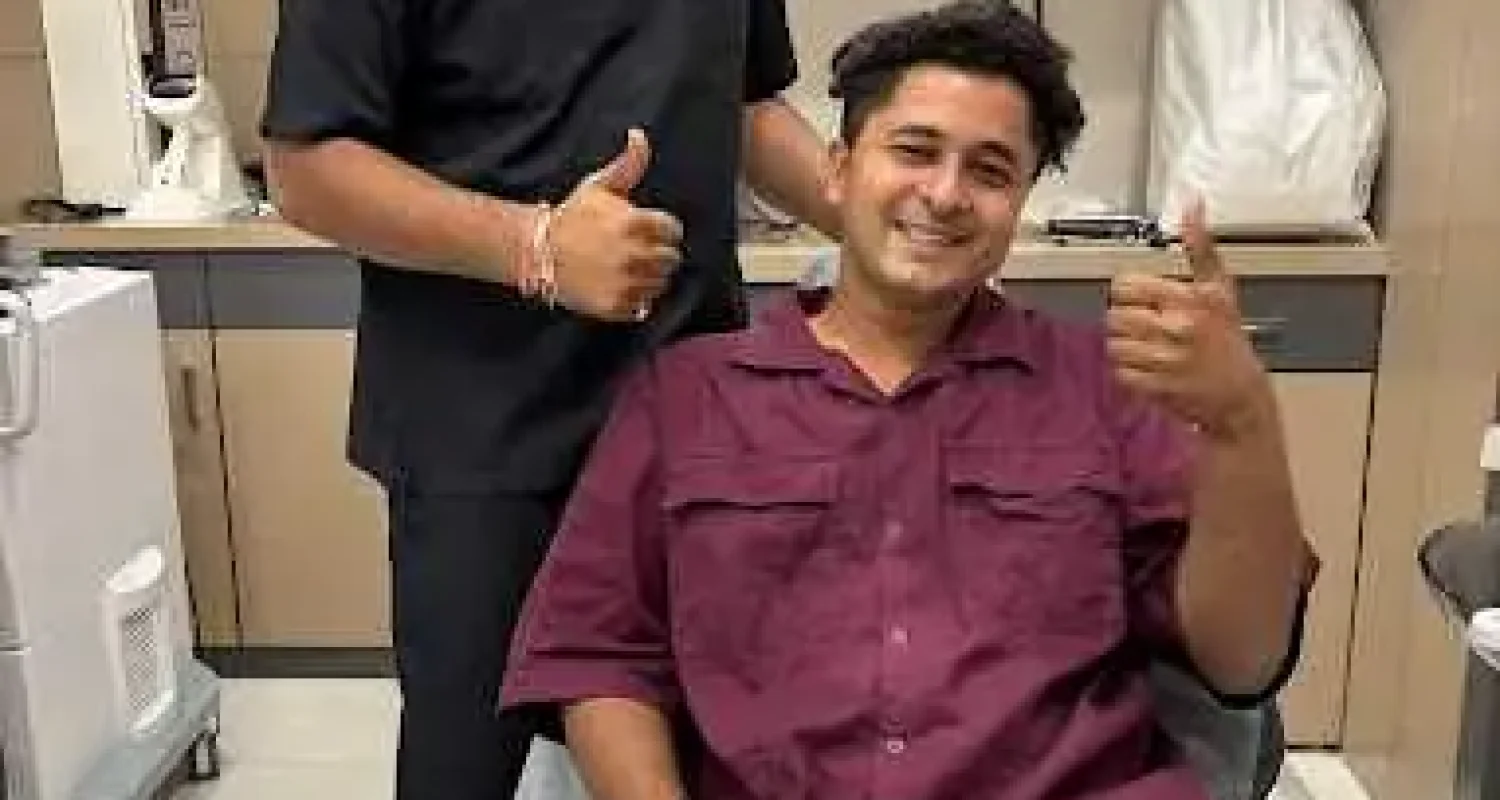
A consultation is an opportunity to discuss what brings you in, understand your concerns and explore possible treatment options. It is also the right time to ask questions and understand the next steps.
The conversation comes first
The clinical examination covers more than the tooth that hurts. Every tooth is checked for decay, cracks and failing restorations, the gums are measured for pockets that indicate gum disease, the bite is assessed, and the soft tissues of the cheeks, tongue and throat are examined. X-rays are taken where they are needed, most often because decay between teeth and bone loss around them cannot be seen by eye.
The findings, explained
You should leave understanding three things: what is happening, what your options are, and what happens if you do nothing for now. A good consultation includes that last one honestly. Some findings genuinely can be monitored; others get worse and more expensive with time, and you are entitled to know which is which.
The treatment plan
When a scan is combined with planning software, the position, angle and depth of an implant can be decided before the appointment rather than during it. A surgical guide is then made to reproduce that plan in the mouth. In practice this tends to mean a smaller procedure, a shorter appointment and a more predictable final result, because the restoration was designed before the implant was placed rather than the other way round.
Where the comfort actually comes from
- What needs doing urgently, and what can reasonably wait
- The realistic alternatives, including the option of doing less
- How many appointments each option needs and roughly how long they take
- The cost of each option, given before treatment starts rather than after
- What the result should look and feel like, and how long it should last
Questions worth asking
Patients often tell us afterwards that they wished they had asked something in the moment. It is entirely reasonable to ask why one option is being recommended over another, what the failure rate is, what maintenance the result will need, and what would happen if you waited six months. If a plan is sound, it survives being questioned.
You do not have to decide in the chair
Except in a genuine emergency, there is no need to commit on the day. Taking the plan home, thinking about the sequence and the cost, or getting a second opinion on a large piece of work are all sensible. Our aim at the Vastral clinic is that you leave a consultation informed rather than pressured, whatever you decide to do next.
