

Why personalised dental planning matters
Every patient has different priorities, oral health needs and expectations. A personalized treatment plan helps organize the available options around the individual rather than taking a one-size-fits-all approach.
The same problem, different answers
Two patients can arrive with an identical broken molar and correctly receive completely different treatment. The variables are the amount of remaining tooth structure, the health of the surrounding bone, whether the opposing tooth is still present, the condition of the neighbouring teeth, the bite, general health, and what the patient actually wants. A plan that ignores any of those is a plan for a tooth rather than for a person.
Saving a tooth versus replacing it
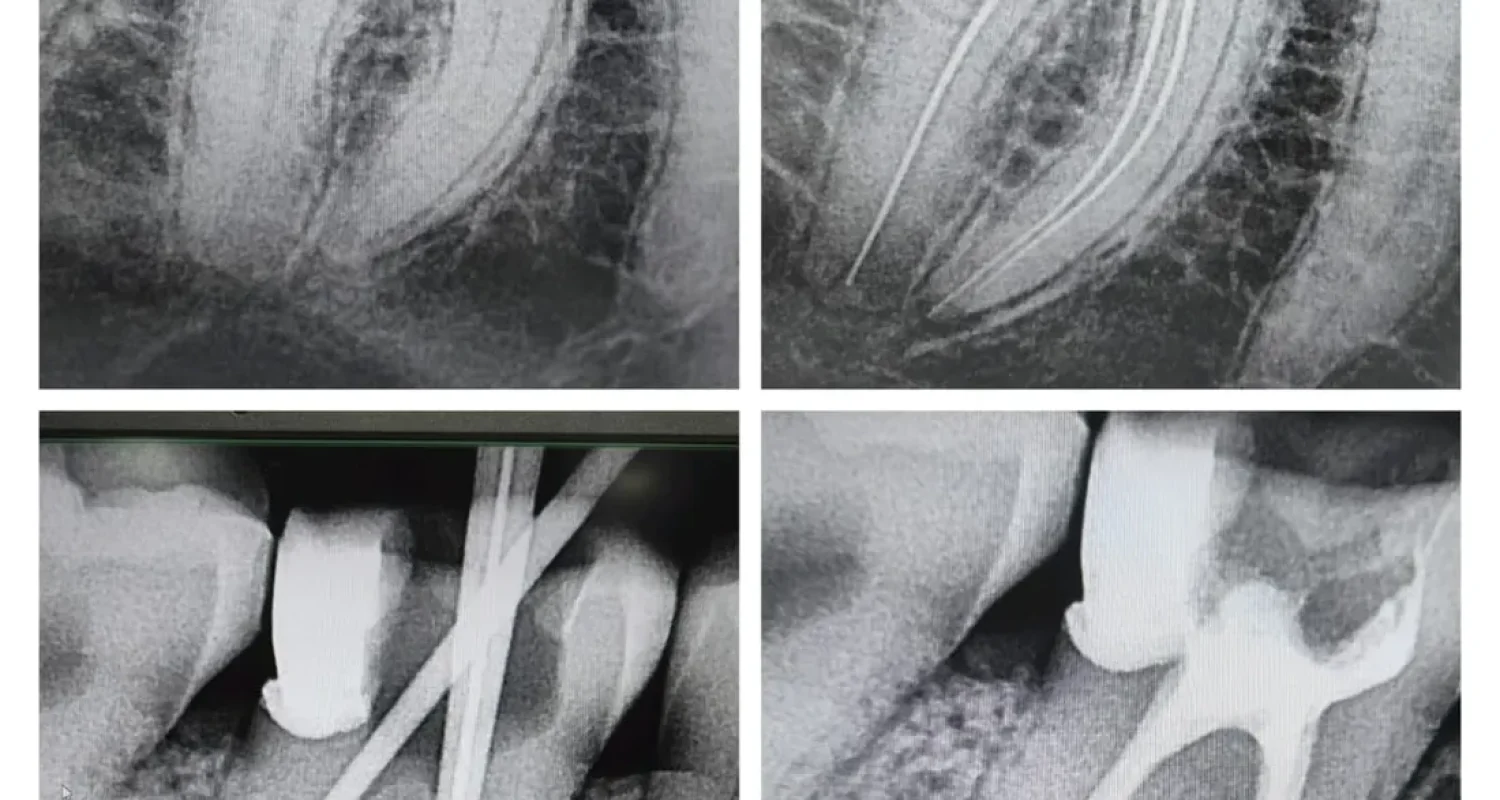
A natural tooth with adequate remaining structure is almost always worth keeping. Root canal treatment followed by a crown is predictable and preserves the bone and the ligament that a tooth sits in. But a tooth that is fractured below the gum, or that has too little structure left to hold a restoration, may be better removed early rather than after a further two years of intermittent problems, because the bone available for an implant is better preserved that way.
Sequence is part of the plan
Order matters as much as content. Gum disease is stabilised before crowns are made, or the crowns are fitted to a foundation that is still moving. Active decay is dealt with before orthodontics, since a cavity under a bracket is far harder to treat. Where implants are involved, the final restoration is designed first and the implant is then placed in the position that restoration requires.
What a written plan should contain
- A clear statement of the current findings, supported by X-rays
- The recommended option and the realistic alternatives to it
- The phases of treatment and what each one achieves
- Total cost, broken down by phase, agreed before work begins
- Expected lifespan of the result and the maintenance it needs
Planning in phases when needed
Large treatment does not have to happen at once. Where cost or time is a constraint, a plan can be staged so that anything causing pain or actively deteriorating is dealt with first, stability is achieved second, and cosmetic or elective work follows when it suits you. What matters is that the early phases do not close off the later options.
Ask to see the plan
If you have been given a quote without an explanation of why that treatment and not another, it is fair to ask. At our Ahmedabad clinic we would rather spend an extra fifteen minutes explaining a plan than carry out work a patient does not fully understand.
